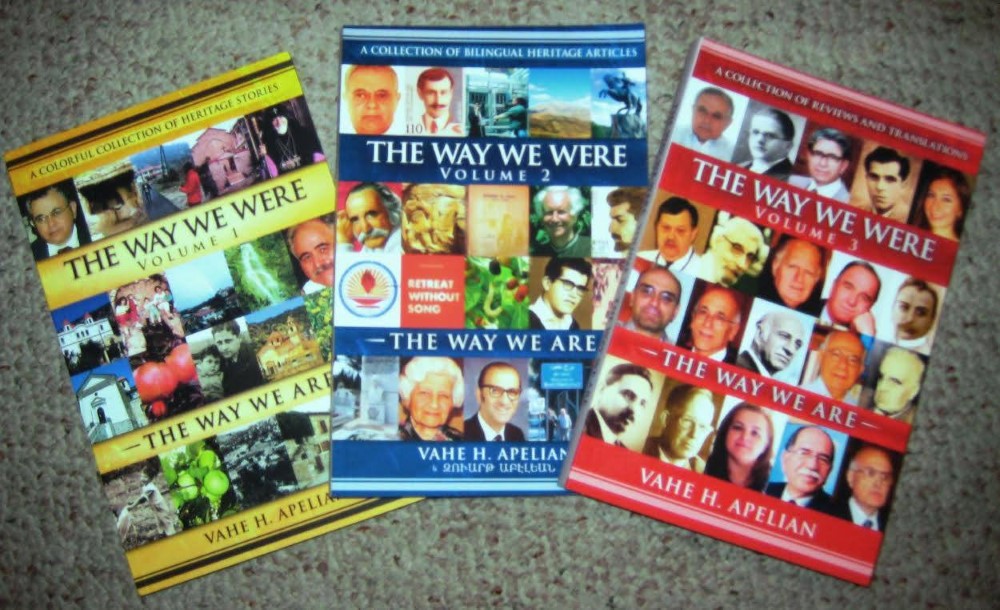
V.H. Apelian's Blog

V.H. Apelian's Blog

Saturday, September 6, 2025

Three Tenors

Vahe H. Apelian


Let me first note that I used the word "tenor" in the title of this blog  for trained voices. I am not a connoisseur of voice.
Some time ago, on YouTube, I came across songs by Armen Guirag. Some of the songs were “viewed” a few times. Others had no views. I became reflective. Artists, such as Armen Guirag, entertain us with their songs, uplift our spirits and make our lives more pleasurable and then, much like old warriors, fade away. In its unmistakable forward march, time brings with it new norms, attitudes and likes and new artists come for a new generation who in turn experiences the same cycle of life. 
Along with Armen Guirag, the voices of Ara Guiragossian  and Kevork Gagossian have remained etched in my memory and I listen to them also, every now and then.
ARA GUIRAGOSSIAN. I have not met him in person. He remains in my mind as a tall and robust man. I have attended his performance on stage with my parents. He also used to sing in “Sayat Nova” restaurant in Beirut. Recently I translated Boghos Shahmelikian’s book that narrates Diaspora Armenian pop music. In it Boghos notes that Ara Guiragossian was the first to record an album of Armenian revolutionary songs. But he never caught the people’s fancy as a singer of such songs. I guess his voice was too trained, too structured for opera than for such songs on popular stage.
Recently I came across the following comments on YouTube that best summarizes Ara Guiragossian as a singer of revolutionary songs and also validates my memory of hearing him in the “Sayat Nova” restaurant. These two comments read as follows:
When I was a young kid my parents used to take the family to Sayat Nova restaurant in Beirut Lebanon where Ara used to sing. Great memories” (Harout Hamassian).

Once my mum went to a record shop to buy the disc of "Antranig" sung by Levon Katerdjian. There was a man in the shop, whom my mother didn't recognize. The shopkeeper tried to persuade my mother to buy Ara Guiragossian's version of that song, but mother said that she didn't like Ara's voice very much. Once she said this, she noticed that the man got emotional & hid his face in his hands. My mother then realized that the man was Ara Guiragossian. She felt very ashamed & bought both records.” (arayvaz6).
In vain, I searched for Ara Guiragossian’s biography on the Internet search engines. I do not know when and where he was born and when and where did he pass away. But surely his memory and his singing linger on. He can be heard on YouTube.


*****
KEVORK GAGOSSIAN. I knew Alex Mnagian as a famous accordion player. Again, thanks to Boghos Shahmelikian I found out that he was more than a famous accordion player and that he was an artist of the highest caliber and has had his input in the artistic life in Lebanon be it as an Armenian and as Lebanese through his association with the famous Rahbani brothers. 
Mnagian brothers had a music store next to Sourp (Saint) Nshan Church and it's one-time namesake school I attended. The neighborhood was an Armenian hub. Next, to the Mnagian’s store, my friend Garbis Baghdassarian’s brother Zareh, had a bookstore. On that very stretch of the street my classmate Haroutiun Hadsagortzian’s father had a barber shop who spoke with a distinct Dikranagerd accent and would attentively follow us students wondering how well we were doing in our studies and would encourage us to study hard. There was also a gun store whose owner married one of my classmates in Sourp Nshan. We lived a short walking distance from the church and that neighborhood was a hangout for us boys. Alex was a short and stocky guy. Another short and stocky young man would be in the store every now and then. His name was Kevork Gagossian. The community was shocked to hear that he passed away after his concert in Cairo at the age of 27.
 I pieced together the following about Kevork Gagossian from an article penned by Hagop Mardirossian that appeared in Hairenik Weekly on July 17, 2014, forty-five years after his untimely death as a testament of the enduring legacy of this gifted but short-lived young man.
Kevork Gagossian was born on July 9, 1942, and passed away in Cairo, Egypt on November 25, 1969, a day after his concert. After finishing his studies in the Lebanese Conservatory, he had continued his studies in Italy. He had not yet produced any recording letting his friends know that a singer’s voice matures after the age of 35 and that he is yet too young to record for posterity. After his untimely death, his friends produced a record from the recordings of his concerts. He was deemed to be an unusually gifted bass tenor. His teachers, friends, and classmates from Lebanon, Italy, England and Japan mourned his death. His Japanese colleague Takao Okamura held a memorial concert in Beirut and ended his repertoire by signing in Armenian “I heard a sweet voice”  (Ես Լսեցի Մի ԱՆուշ Զայն) dedicating it in memory of Kevork Gagossian.
Kevork Gagossian's rendition of Kamar Katiba's Lerets Ambere - The Clouds Went Silent.


*****
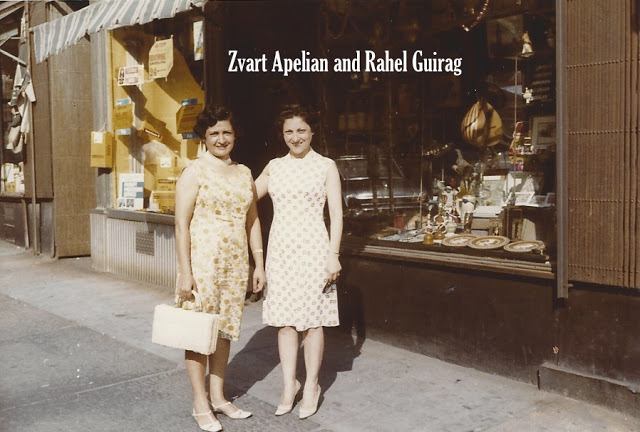
ARMEN GUIRAG My parents had forged a friendship with him during his stay in Hotel Lux, the inn my father ran in Beirut. For many and many years, every Sunday morning my father would play his recording of Armenian Holy Mass, which is regarded one of the best rendition of the Holy Mass by a singer. For all, I recall he was from Latin America. My mother introduced him to her friend Rahel Chilinguirian and they got married and moved to the United States. In late 1960’s my mother visited her relatives in the United States and spent time with Armen and Rahel Guirag. I often wondered what happened to him.
A few years ago I read the following about Armen Guirag in an article the late Tom Vartabedian wrote in Armenian Weekly titled “Three Tenors Strike A Different Tune” (March 24, 2009). 
He (Armen Guirag) was Armenian and ran a record shop in New York City that doubled as his home. He would sell his music in front and sleep out back with a tiny refrigerator, table, and a couple chairs.
Armen Guirag lived from hand to mouth and was in no hurry to move his records. He once told me that everyone he sold was like “selling a child.” But did he ever have a voice, and became the greatest Armenian tenor of his generation back in the 1950’s.
He was recognized as a classic concert and opera singer, produced a number of recordings, and performed near and far, including an appearance at Carnegie Hall that gained rave reviews in the New York papers.
I met him during the tail end of his career when he gradually began to mellow and lived like a recluse. The last concert I attended of his was a pity.
He appeared in Boston, well into his 70s by now, and sang like he never sang before. His voice carried to the very last row of seats as people were on their feet applauding his every note.
And then, the unsuspected occurred. The record he had spinning in the background got stuck while the audience sat mortified. Even before lip-syncing became popular, Armen Guirag appeared well before his time.
He dashed off stage humiliated, never to appear again. Last I heard, he died in that little record store with hardly a whisper from the scores who embraced his music.”


Surely, it is a sad ending for such a talented singer. I hear his singing every now and then and find his voice unusually clear, crisp. It is said that the Armenian community does not appreciate its artists the way it should. I often wonder if our artists are victims of our gene pool. This may be true because we are unusually rich in talents be it singers or players of different classical instruments for the community to support all, the way it should. 

 We surely owe them a debt of gratitude for enriching our lives.

With Mr and Mrs. Armen and Rahel Guirag


ARMIASHKA, Kamar Katiba, and Mikayel Nalbandian

Vaհe H Apelian


I came across the word armiashka for the very first time well over half a century ago, in my youth, reading the famed novel Zartonk (Awakening) by Malkhas. The term must have made such an impression upon me that I never forgot it.  I do not remember how Malkhas spelled the word in Western Armenian. Recently I found out the word pop out on Levon Shirinyan’s Facebook page. It is there that I found out Առմեաշքա (Armiashka) is how the famed Armenian author Gamar Katiba / Kamar Katiba spelled it in the quote, posted by Levon Shirinyan. I posted it in translation above. However, the context of their uses is way different. 

First and foremost, the term armashkia is pivotal in the novel Zartonk, which has its start with two Armenian friends who settled in Tbilisi – I write from memory. One of them became a successful merchant and had a daughter named Sonya. The other carried on a modest life and had a daughter Yevgine, and a son named Vartan. But the two remained bosom friends as did their children. However, in time the children of these two best friends, grew up differently. Vartan became fired by the Armenian revolutionary movement, while Sonya carried the spoiled life of a rich merchant’s daughter having been accepted in high society. At one time, Sonya was accompanied by a Russian military officer to an event, while the Armenians were demonstrating. In the turmoil the dress Soya was wearing was minimally spoiled, to which her Russian officer company hurled at them the term, calling them the armashkia-s. The use of the term suddenly stirred strong emotions in Sonya in defense of her race. 

Following the incident, she wanted to find out about Vartan through his sister Yevgine. By then Vartan had assassinated a Russian officer, had attempted to cross the Arax River with other revolutionaries to assist the oppressed Armenians. But an accidental explosion had left him maimed and disfigured. From there on he adopted his nom-de-quere Levon, and emerged the leading revolutionary with his baptismal name and past completely forgotten. Sonya on the other hand, had a change of heart. She left her luxurious life became a care giver and engrossed herself in the service of her people. Sonya, at the very end of the novel, found out that Levon was her one time bosom friend Vartan and the two got married while the bells of the churches were heard ringing heralding the Independence of Armenia. Regretfully Levon shortly after succumbed to his wounds and passed away. 

No wonder Zartonk became a very popular reading for a few generations growing up in hub of the Armenian communities especially in the Middle East.

I asked Levon Shirinyan about the term armashkia. He said it is a Russian derogatory term hurled against Armenians. Obviously, the Armenians adopted the term as well and hurled it against those they thought did not support the Armenian cause. Kamar Katiba’s post made that pretty obvious.

Kamar Katiba (1830-1892 was the literary moniker of Raphael Patkanian According to Nischay Koushal, “Raphael Patkanian was a cherished Armenian poet whose stirring verses became a voice of patriotism and hope during a time of great turmoil for his people. Writing under the pen name “Kamar Katiba,” he captured the pain of exile, the longing for homeland, and the spirit of national awakening. Deeply affected by the plight of Armenians under Ottoman rule, his poems often resonated with emotional intensity and revolutionary zeal. A professor by profession, Patkanian believed in the transformative power of words and used poetry as both resistance and revival. His work not only inspired generations of Armenians to hold onto their cultural identity but also laid the foundation for modern Armenian national literature.”  

The gravesites of Raphael Patkanian and Mikael Nalbandyan
Courtesy Wikipedia

One of Kamar Katiba’s poems was turned into a patriotic song titled “The clouds went silent”. The song, an intense patriotic song was well-liked and heard at one time. Those interested to hear it may click the link “Three Tenors” below and hear Kevork Gagossian’s rendition of the famed song.

It turned out that Kamar Katiba and Mikayel Nalbandyan, for whom we owe our national anthem, Mer Hairenik, were classmates. Wikipedia claims that they were buried next to each other in Nakhichevan-on Don, also known as New Nachichevan (Nor-Nakhichevan). 

Link: "Three Tenors": Kevork Gagossian’s (Lerets Ambere):https://vhapelian.blogspot.com/2025/09/three-tenors.html


Friday, September 5, 2025

Artsakh and the Right of Return: From Political Theater to Responsible Action

Recently Raffy Ardhaldjian – September four, 2025 - posted an article in Asbarez daily. I copied the title of that article and used it for the header of this blog. 

I have not met Raffy Ardhaldjian in person. I befriended him online. My impetus was his thoughtful and balanced writings. His introductory bio reads as follows: “Raffy Ardhaldjian is a Fletcher School graduate and advisor to tech companies, public institutions, and NGOs. In his spare time, he writes about strategic topics spanning Armenia and the Armenian diaspora.”

At first glance, I found the title of his article bold for the present Dashnaktsutyun press of Diaspora. I have posted the link to the article below for the interested reader.

But, for all I know, the present Yerevan centered ARF establishment does not recognize Asbarez Daily among the family the Dashnaktsutyun press. Although the newspaper was established by ARF over nine decades ago in Fresno. Consequently, I wonder, if Raffy Aldhaldjian’s article will see the light of day in the rest of  Dashnaktsutyun press, which is  a customary practice. 

I found his article balanced and well thought. Although I would not have written it as thoughtfully and considerably as he has. I would have spoken more bluntly against the “political theater” and more for in favor of the “responsible action”. But I am a blogger and I know that the text in my blog would have alienated some and thus would have been less inviting to read the whole text to make my point. But Raffi is Fletcher School graduate. Quoting Wikipedia: “Fletcher's unique interdisciplinary curriculum combines theory and practice. Fletcher trains students to develop a thorough and nuanced grounding in the latest political, economic, business, and legal thinking and apply it professionally to shape international events.”

The only comment I had about his article was his opening sentence that read: “The Republic of Artsakh was proclaimed by the people of Nagorno-Karabakh on September 2, 1991.”. The fact of the matter is that the self-proclaimed republic was called the Republic of Nagorno - Karabakh”. The change to Republic of Artsakh came about much later, as copies from my stamps collection posted above indicate. The 2017 stamp reads Republic of Mountainous Karabakh; the 2018 stamp reads Republic of Artsakh.

The change from Republic of Mountainous Karabakh to Republic of Artsakh was another monumental manifestation of Armenian political mistep of  maximalism, striving to achieve the desired, the longed for and not the possible. 

 This mindset came about in 1997, when Vartan Oskanian, Robert Kocharyan, Serzh Sargsyan, Vazgen Sargsyan and others conspired against their main political ally and leader,  Levon Ter=Petrosyan (LTP) and rejected the LTP policy for major concessions he had outlined in his  “WAR OR PEACE? TIME TO GET SERIOUS” (November 1, 1997), policy paper to resolve the impass.

President LTP had forewarned and had stated that “The refusal of compromise and maximalism (the desire to achieve the maximum and not the possible) is the shortest path to the complete destruction of Karabakh and the deterioration of the situation in Armenia. It is not about giving Karabakh or not. It is about keeping Karabakh Armenian. It has been inhabited by Armenians for 3,000 years and it should be inhabited by Armenians for another 3,000 years."

Alas, historic Artsakh is depopulated of its native Armenian inhabitants. 

Vaհe H Apelian

Link: Raffy Ardhaldjian "Artsakh and the Right of Return: From Political Theater to Responsible Action":  https://asbarez.com/artsakh-and-the-right-of-return-from-political-theater-to-responsible-action/


The cover of the booklet for the first stamps of the Republic of Mountainous Karabakh
(personal collection)


Wednesday, September 3, 2025

Martha, the last passenger pigeon

I had read about the extinction of passenger pigeons that ran in billions. I wanted to archive the attached I came across today. Vahe H Apelian


September 1 at 4:45 PM

On this date in history (September 1, 1914), a creature named Martha drew her last breath, and an entire species vanished from the face of the Earth. 🕊️

Martha was the last known passenger pigeon, a bird that once numbered in the billions and darkened the skies of North America for days as their flocks passed overhead.

Their flocks were so immense that early accounts described them as living rivers in the sky, a mile wide and hundreds of miles long, containing billions of birds.

In just a few short decades, their population went from being the most numerous bird on the continent to complete extinction. 

This catastrophic decline was a direct result of relentless overhunting and widespread habitat destruction throughout the 19th century.

They were hunted for cheap meat, for sport, and as agricultural pests. The commercial scale of the hunting was something we can hardly comprehend today.

By the early 1900s, only a small captive flock remained. One by one, they passed away until only Martha was left, living out her final years at the Cincinnati Zoo.

Her death at approximately 1 p.m. on that September day was a quiet, solemn moment that marked a tragic milestone in history. 😢

It served as a powerful and sobering lesson on how quickly a species, no matter how abundant, can be lost forever due to human actions.

Martha's body was carefully preserved, and she remains on display at the Smithsonian Institution as a permanent reminder of her lost species.

Sources: Smithsonian Institution, Cincinnati Zoo Archives, Conservation Histories


Tuesday, September 2, 2025

Արցախը Հայաստան էր եւ վերջ

Վահէ  Յ Աբէլեան

Ստեփանակերդի հրապարակը, նկարած եմ Արցախ այցելութեանս ընթացքին
2015-ին։

Այո, Արցախը գործնականապէս Հայաստան էր։ Հապա ի՞նչ էր։ Որու՞ կ՚ուզէինք խաբել որ այդպէս չէ՝ր, թշնամի՞ին։

Վարդան Օսկանեան այսպէս կը գրէ իր Ֆէյսպուքի վերջին տեղադրութեան մէջ՝ «Հաջորդական հայկական կառավարությունները կանխամտածված խուսափել են պաշտոնապես ճանաչել Արցախը՝ բանակցությունների և խաղաղ կարգավորման հնարավորությունը պահպանելու նպատակով։ Սակայն Փաշինյանի «Արցախը Հայաստան է, և վերջ» հայտարարությունը հրահրեց պատերազմ՝ իր բոլոր հայտնի հետևանքներով։»

Ցախող եւ ձաղողած պատրուակ մըն է, նախքին ԱՔ նախարարին յայտարարութիւնը, ինչպէս կըլլան պատրուակները, թէ՝«Փաշինյանի «Արցախը Հայաստան է, և վերջ» հայտարարությունը հրահրեց պատերազմ՝ իր բոլոր հայտնի հետևանքներով։» 

Իրողութիւնը այն էր որ՝

Արցախի հայերը արդաբաբար Հայաստանի քաղաքացիներ կը նկատուէին։

Արցախի պաշտօնական դրամանիշը Հայաստանի դրամանիշն էր։

Արցախի առեւտուրը Հայաստանի դրամանիշով եւ դրամատունով կըլլար։ 

Արցախի եւ Հայաստանի առետուրը առանց մաքսատուրքերով կըլլար, այնպէս ինպէս Հայաստանի մարզերուն միջեւ։

Արցախի պաշտօնեանները Հայաստանի դրամանիշով կը վարձատրուէին։

Արցախի կառաւարութեան պաշտօնեանները աշխարհը կը ճամբորդէին այնպէս ինչպէս Հայաստանի քաղաքացիք։

Արցախ ծնած  եւ մեծցածը հայը Հայաստանի նախագահ ըլլալու իրաւասութիւնը ունէր, ունեցաւ որ պատահեցաւ 2-րդ եւ 3-րդ նախագահներու պարագային, եւ ունի որպէս Հայաստանի քաղաքացի։  

Արցախը գործնականապէս Հայաստան էր։ Հապա ի՞նչ էր։ Որու՞ կ՚ուզենք խաբել՝ թշնամի՞ին։

Այո, պաշտօնապէս Արցախը Հայաստանի մարզ չէր։ Բայց ուրանալ որ Արցախը գործնականապէս նման էր Հայաստանի որեւէ մարզի, եւ պատրուակել որ Հայաստանի քաղաքացիներուն կարգաւորման համար էր որ Հայաստանի «Հաջորդական հայկական կառավարությունները կանխամտածված խուսափել են պաշտոնապես ճանաչել Արցախը», դատարկ եւ փուճ զրպարտութիւն է։ Աւելի վատ՝ կարծել որ թշնամին իրատես չէր անցող երկու տասնամեակներուն պարզուած ընթացքին, պարզապէս մանկամտութիւն մըն է, անսպասելի արտաքին գործոծ նախարարէն։ Իրողութիւնը այն է որ նախագահները ձախող քաղաքականութիւն վարեցին։ Հետեւանք՝ մատնուեցանք այս իրավիճակին, թեկուզ Վարչապետ Նիկոլ Փաշինյանի կառավարման օրերուն։

Արցախի կորուստին հիմնական դեր ունեցաւ Վարդան Օսկանեանը, որուն քաղաքական կեանքը սկսաւ Լեւոն Տեր-Պէտրոսյանին գլխաւորութեանբ եւ առաջնորդութեանբ։ Բայց գործակցեցաւ Ռոպէրթ Քոչարյանին, Սէրժ Սարգսյանին, որոնք Ղարաբաղ էին, եւ այլոց հետ, իր քաղաքական գլխաւոր գործակիցին եւ առաջնորդին՝ ԼՏՊ-ին դէմ։ Անոնք հրաժարել տուին ԼՏՊ-ը իր որդեգրած «ՊԱՏԵՐԱԶՄ, ԹԵ՞ ԽԱՂԱՂՈՒԹՅՈՒՆ. ԼՐՋԱՆԱԼՈՒ ՊԱՀԸ» (1 նոյեմբերի, 1997 թ.), զիչողական քաղաքականութեան համար, երբ ԼՏՊ կը զգուշացնէր՝ « Փոխզիջման մերժումը եւ մաքսիմալիզմը (առավելագույնը եւ ոչ թե հնարավորը ձեռքբերելու ձգտումը) Ղարաբաղի իսպառ կործանման եւ Հայաստանի վիճակի վատթարացման ամենակարճ ճանապարհն է։ Խոսքը չի վերաբերում Ղարաբաղը տալուն կամ չտալուն։ Խոսքը վերաբերում է Ղարաբաղը հայկական պահելուն. 3000 տարի այն բնակեցված է եղել հայերով եւ 3000 տարի հետո էլ պետք է բնակեցված լինի հայերով։»

Արցախը՝ Հայաստան էր եւ վերջ։ Բայց ան, ալ հայաթափ է։ Եւ այդ պատմական դաժան իրողութեան պատասխանատուութիւնէն չի կրնար ձեռբազատուիլ մանաւանդ Վարդան Օսկանեանը որքան որ ընկերային կայքերուն վրայ տեղադրէ չքմեղանքներ եւ դատապարտէ Նիկոլ Փաշինյանը եւ անոր քաղաքական գործակիցները, ընտրող քաղաքացիները եւ համակիրները։

Այո, Արցախը Հայաստան էր. իսկ այժմ Արցախը դարձած է յիշողութիւն։

Monday, September 1, 2025

Remembering Dzaghigner (Ծաղիկներ) by Adiss (Jan. 14, 1945 - Sept. 1, 2019)

Those who came of age in 1960s in the Middle East remember the Armenian pop music star Adiss Harmandian who, out of the blue, burst onto the Armenian music scene with his Ծաղիկներ (Dzaghigner--Flowers) song and ushered a new era of Armenian pop music. Boghos Shahmelikian, a musician and a bass guitar player, narrated the behind the scenes of the musical phenomenon in his book titled "Յիշատակներ Անցած Օրեր" ("Memories and Bygone Days"). I translated and expanded it into English. My maternal cousin Jack Chelebian M.D. edited the book as “The Dawn of Armenian Pop Music”. The Armenian Cultural by Hrach Kalsahakian published it. The book may be purchased from Amazon.com. The attached is an excerpt from the book Vaհe H Apelian


“Among the Armenians who are interested in the theater, Calouste Jansezian is a well-known stage actor. He has successfully played different roles in the Hamazkayin Armenian Cultural Association’s Kaspar Ipekian Theater Group in Lebanon. He also loved to sing and wanted to produce Ծաղիկներ (Dzaghigner) song. He approached Daniel Der Sahakian, a successful producer of records. Daniel saw a business opportunity in Calouste’s proposal and financed the orchestration of the song with Reddy Bobbio, who was a well-known musician in Lebanon and played in prestigious nightclubs such as Phoenicia and Paon Rouge. The recording of the orchestration went smoothly. It was time to produce the record.

Any song that is produced on a record has its orchestration done ahead of time. Later it is played in the studio as the vocalist sings the song. The situation was no different when Calouste attempted to record the song. But alas, he did not succeed. His repeated attempts to record the song ended in failure. It became obvious that he did not possess that particular talent.

Daniel Der Sakakian, who had invested a lot of money in the orchestration of the song, naturally did not want to give up on his investment. He looked for singers to record the song. He approached Eddy Kev (Kevork Khacherian) and Manuel Menengichian. The two were notable singers with national acclaim. Both had won first prize in successive years in Pêle-Mêle, the Lebanese national television talent competition. They sang European songs and both refused to sing Dzaghigner.

Daniel then approached Ara Guiragossian who sang Armenian classical songs and exuded opera influences whereas the orchestration and the lyrics of Dzaghigner were of the popular genre. They agreed the song was not a good fit for the singer.

Daniel then approached Ara Kekedjian who had established a reputation as a singer of Armenian children’s songs. His records for more mature audiences had not been well received. After further consideration neither one found the song to be a good fit for Kekedjian.

Daniel was close to giving up on his investment when Antranig Mardirossian, who ran Lebanon’s first record store, suggested a young singer he knew from the Bourj-Hammoud neighborhood. “He sings well. He has already produced a record in French,” said Mardirossian and asked whether Daniel would like to try him. The young singer’s name was Adiss Harman. Having produced a record, Adiss had acquired experience in recording in a studio. His voice proved to be a natural fit for the song. They recorded the song and produced it under Daniel Der Sakakian’s label, VOS (Voice of the Stars). To promote the record, Adiss dropped his adopted surname, Harmand, in favor of his family name but retained his adopted artistic name.  The rest is Armenian musical history.

Ծաղիկներ (Dzaghigner) became an instant hit with a demand for more. The Armenian community seemed to have been craving for lighthearted songs and had finally found one. There was no time to waste. Soon after, they recorded other songs that proved to be no less popular: Մանուշակ (Manooshag), Մթնշաղ (Mntshagh), Ծաղիկներս ում Նուիրեմ (Dzaghigners Oum Nvirem), Այլ Աչեր Կան Իմ Սրտում (Ayl Acher Gan Im Srdoum).The songs were simple, easily understood. Hasmig Manasserian, a self-educated composer in Armenia, had composed the songs.

After Reddy Robio left Lebanon following his orchestration of the Ծաղիկներ (Dzaghigner), Jacques Kodjian took over and worked with Adiss for many years. Overnight, an Armenian pop--estradayin’-- star was born. Adiss gave concerts in many countries. He even toured the United States. Some fifty years ago that was no small feat. It was unprecedented for an Armenian singer to travel so far to give a concert. For a while I accompanied Adiss. It is hard to fathom that an Armenian singer could have mustered such popularity in the Armenian Diaspora or that the Armenian community could bestow such adulation on one of them, as they did on Adiss.

Adiss was 20 years old when he burst on the Armenian pop music scene. He had good looks. His overnight rise from obscurity to national fame arguably remains unprecedented in Armenian Diaspora music. Calouste Jansezian was the catalyst of Armenian pop music in the Diaspora. A catalyst accelerates the rate of a happening without itself undergoing any permanent change. He remained the notable stage actor but Adiss emerged as the undisputed pioneer and idol of Armenian Diaspora pop music. 

Adiss’ baptismal name is Avedis. His name means someone who brings good tidings. Indeed, he brought good tidings to Armenian culture by popularizing Armenian music. Thanks to his stamina, good looks, drive, likable personality on and off the stage, Adiss remains an undisputed leader of Armenian pop music. His contribution to Armenian culture was formally recognized when Catholicos Aram I bestowed upon him the Order of Saint Mesrob Mashtots in 2005. Adiss Harmandyan, the first Armenian pop music singer is also the first modern Armenian pop music star to be bestowed with the ecclesiastical order.”


Introduction to third «History of Armenia» textbook

Debating in the Diaspora whether Armenian history textbook should be called «Armenian History» instead of «History of Armenia» obscures the issue of teaching history itself. The debate is driven by an honest concern that the titling of the textbook has a relfection on the history being taught. I do not have a definite answer to the concern. The attached is my translation of the introduction of the third “History of Armenia” textbook. I obtained the copy from Tatul Hakobyan posting the cover and the introduction from his daughter’s textbook. The third textbook in the series appears to be the last as it claims to cover Armenian history from nineteenth century to the present. The introduction dwells what the debate in the Diaspora misses. A responsible citizen, the authors of the textbook rightly point, views history critically to arrive at substantiated conclusions and to draw informed consequences for the present and for the future of their state.  Below is my translation of the introduction. A copy of the introduction, courtesy Tatul Hakobyan, is posed below. Vaհe H Apelian

The cover of the third "History of Armenia" textbook, courtesy Tatul Hakobyan
The cover of Simon Simonian's "Armenian History" textbook.

The Formation of History:

Why distinguish facts from interpretations


Dear Student

This book is the third in your series of textbooks on the subject of “History of Armenia”. This time our journey will begin at the end of the 19th century and end at the beginning of the 21st century, almost in our days. This period of history is distinguished by the process of reestablishment of the state in Armenia, but also by a revolutionary, tragic and at the same time unprecedented development for the Armenian people.

We would like you to pay attention to the issue of the formation of our ideas about history. When we think about historical events, we often ask whether they really happened that way. When you watch a TV news at home, you will have noticed that different channels tell the same news in different ways. And the question arises - what is the truth? Reality is more complicated than anyone is telling it.

The same thing happens in history. There are some indisputable facts (objective) – for example, when a battle took place or a treaty was signed. However, there may be different opinions about the causes, consequences and the significance of these events (subjective). Thus, the same historical event can be presented in different light, depending on who is telling the story, what is being told, why is being told, how is being told, when is being told, where is being told and for whom is being told. This is why it is important to learn to think critically and analyze information, taking into account all possible perspectives.

History is like a huge mosaic, each piece of which is important for seeing the whole picture. Together we will learn to put these pieces together to understand their meaning.

Remember that a person who has merited its own state, is a knowledgeable and responsible citizen who conducts a deep and comprehensive analysis, studying different perspectives, combining different facts, and only then arrives to substantiated conclusions or draws consequenes for the present and the future.

We wish you a pleasant and useful study.

Authors

A copy of the introduction of the third "History of Armenia" textbook
Courtesy Tatul Hakobyan