V.H. Apelian's Blog

V.H. Apelian's Blog

Sunday, September 7, 2025

ARMIASHKA,

Vaհe H Apelian


I came across the word armiashka for the very first time well over half a century ago, in my youth, reading the famed novel Zartonk (Awakening) by Malkhas. I  I do not remember how Malkhas spelled the word in Western Armenian. Recently I found out the word pop out on Levon Shirinyan’s Facebook page. It is there that I found out Առմեաշքա (Armiashka) is how the famed Armenian author Gamar Katiba / Kamar Katiba spelled it in the quote, posted by Levon Shirinyan. I posted it in translation above. However, the context of their uses is way different. 

First and foremost, the term armashkia is pivotal in the novel Zartonk, which has its start with two Armenian friends who settled in Tbilisi – I write from memory. One of them became a successful merchant and had a daughter named Sonya. The other carried on a modest life and had a daughter Yevgine, and a son named Vartan. But the two remained bosom friends as did their children, fond with each other. However, in time the children of these two best friends, started maturing differently. Vartan became fired by the Armenian revolutionary movement, while Sonya carried on the spoiled life of a rich merchant’s daughter having been accepted in high society. At one time, Sonya was accompanied by a Russian military officer to a ball, while the Armenians were demonstrating. In the turmoil the dress Soya was wearing was minimally spoiled, to which her Russian officer company hurled at the demonstrators the term, calling them the armashkia-s. The use of the term suddenly stirred strong emotions in Sonya in defense of her race. 

Following the incident, Sonya wanted to find out about Vartan through his sister Yevgine. By then Vartan had assassinated a Russian officer, had attempted to cross the Arax River with other revolutionaries to assist the oppressed Armenians. But an accidental explosion had left him maimed and disfigured. From there on he adopted his nom-de-quere Levon, and emerged the leading revolutionary with his baptismal name and past completely forgotten. Sonya on the other hand, had a change of heart. She left her luxurious life became a care giver and engrossed herself in the service of her people. Sonya, at the very end of the novel, found out that Levon was her one time bosom friend Vartan and the two got married while the bells of the churches were heard ringing heralding the Independence of Armenia. Regretfully Levon shortly after succumbed to his wounds and passed away. 

No wonder Zartonk became a very popular reading for a few generations growing up in hub of the Armenian communities especially in the Middle East.

I asked Levon Shirinyan about the term armashkia. He said it is a Russian derogatory term hurled against Armenians. Obviously, the Armenians adopted the term as well and hurled it against those they thought did not support the Armenian cause. Kamar Katiba’s post made that pretty obvious.

Kamar Katiba (1830-1892 was the literary moniker of Raphael Patkanian According to Nischay Koushal, “Raphael Patkanian was a cherished Armenian poet whose stirring verses became a voice of patriotism and hope during a time of great turmoil for his people. Writing under the pen name “Kamar Katiba,” he captured the pain of exile, the longing for homeland, and the spirit of national awakening. Deeply affected by the plight of Armenians under Ottoman rule, his poems often resonated with emotional intensity and revolutionary zeal. A professor by profession, Patkanian believed in the transformative power of words and used poetry as both resistance and revival. His work not only inspired generations of Armenians to hold onto their cultural identity but also laid the foundation for modern Armenian national literature.”  

The gravesites of Raphael Patkanian and Mikael Nalbandyan
Courtesy Wikipedia

One of Kamar Katiba’s poems was turned into a patriotic song titled “The clouds went silent”. The song, an intense patriotic song was well-liked and heard at one time. Those interested to hear it may click the link “Three Tenors” below and hear Kevork Gagossian’s rendition of the famed song.

It turned out that Kamar Katiba and Mikayel Nalbandyan, for whom we owe our national anthem, Mer Hairenik, were classmates. Wikipedia claims that they were buried next to each other in Nakhichevan-on Don, also known as New Nachichevan (Nor-Nakhichevan). 

Link: "Three Tenors": Kevork Gagossian’s (Lerets Ambere):https://vhapelian.blogspot.com/2025/09/three-tenors.html


Saturday, September 6, 2025

ՄԵ՞Զ, ԹԷ՞ ՄԵԶԻ..., ԶԻ՞ՆՔ, ԹԷ՞ ԻՐԵՆ...

Կը մեջբերէմ յատուած մը Լեւոն Շառոյեանին՝ ՄԵ՞ԶԹԷ՞ ՄԵԶԻ..., ԶԻ՞ՆՔԹԷ՞ ԻՐԵՆՖէյսպուքի էջին վրայ տեղադրութիւնէն։

  Ուրեմն, նախ յիշեցնենք որ տուեալ դերանունները մաս կը կազմեն արեւմտահայերէնի ԱՆՁՆԱԿԱՆ ԴԵՐԱՆՈՒՆՆԵՐՈՒ խումբին։ Անձնական դերանունները հայերէնի դերանուններու համակարգին մէջ ամէնէն շատ ու առատօրէն գործածուողներն են։ Գոյութիւն ունին Ա., Բ. եւ Գ. դէմքերու յատուկ դերանուններ` իրենց եզակի եւ յոգնակի տարբերակներով, որոնք ընդհանրապէս կը դասաւանդուին մեր նախակրթարաններու միջին ու վերին կարգերուն մէջ։ Բայց հարցն այն է, որ մեր դպրոցական տղաքը այս դերանունները կը սորվին ԹՈՒԹԱԿԱԲԱՐ, առանց երբեք ըմբռնելու, թէ այդ դերանուններէն իւրաքանչիւրը ո՞ւր եւ ինչպէ՞ս պիտի գործածուի...։

    Եկէ'ք հոլովենք Ա. դէմքին յոգնակին. ուղղական` մենք, հայցական` ՄԵԶսեռական` մեր, տրական` ՄԵԶԻբացառական` մեզմէ, գործիական` մեզմով։

   Տեսաք արդէն, որ ՄԵԶ֊ը հայցական հոլով է, իսկ ՄԵԶԻ֊ն` տրական։

   Օրէնքը հետեւեալն է. Ներգործական (եւ պատճառական) բոլոր բայերուն հետ ՍՏԻՊՈՒԱԾ ԷՔ գործածել ՄԵԶ֊ը (հայցական)։ Օրինակներ`

   -- Տնօրէնը մեզ ժողովի հրաւիրեց։

   -- Ոստիկանները մեզ հալածեցին։

   -- Ժողովուրդը մեզ դիտեց։

   -- Պատարագի երգեցողութիւնը մեզ վերացուց։

   -- Արցախի կորուստը մեզ ընկճեց։

   Վերի նախադասութեանց մէջ գործածուած 5 բայերէն չորսը ներգործական է, մէկն ալ (վերացնել)` պատճառական։ Հինգ բայերն ալ ստացան դերանունին հայցական հոլովը` իբրեւ ուղիղ խնդիր։

   Ինչ կը վերաբերի ՄԵԶԻ դերանունին (տրական), ապա զայն պիտի գործածէք չէզոք բայերուն հետ, նաեւ` իբր անուղղակի խնդիր։ Օրինակներ`

   -- Տնօրէնը յուշամատեան մը նուիրեց մեզի (անուղղակի խնդիր)։

   -- Ոստիկանները մեզի նայեցան զարմացական հայեացքով ( չէզոք բայի հետ)։

   -- Զինուորները մեզի մօտեցան (չէզոք բայի հետ)։

   -- Քրիստոս մեզի' համար խաչուեցաւ։ Ան մեզ փրկեց մեր մեղքերէն (ուշադրութեամբ զննել այս յատկանշական օրինակը)։

   -- Գաղտնիքը չյայտնեցին մեզի (անուղղակի խնդիր)։

     Ինչպէս կը նկատէք, հարցին բուն գաղտնիքը բայերուն սեռը գիտնալուն մէջ է։ Երբ լա'ւ կը ճանչնաք ներգործական ու չէզոք բայերը, անոնց ընկերակցող դերանունները ինքնաբերաբար կը գործածէք ճիշդ ձեւով ու հոլովով։

                                                        *

    Վերեւ յիշուած միեւնոյն օրէնքին եւ սկզբունքին կը հպատակին նաեւ զինք եւ իրեն դերանունները։ Ասոնք կը գործածուին Գ. դէմքի համար եւ դերանունին եզակի ձեւն են։ Հոլովե'նք. ուղղական` ինքհայցական` ԶԻՆՔսեռական` իրտրական` ԻՐԵՆ, բացառական` իրմէ, գործիական` իրմով։

    Կը տեսնուի, որ զինք-ը հայցական է, մինչդեռ իրեն-ը` տրական։  Պարտինք զինք-ը գործածել ներգործական (եւ պատճառական) բայերուն հետ, իսկ իրեն-ը` չէզոքներուն հետ։ Օրինակ`

   -- Բոլորը շնորհաւորեցին զինք ջերմօրէն (ոչ թէ...  շնորհաւորեցին իրեն)։

   -- Զինք ճանչցայ տարիներ առաջ` երբ քսան տարեկան էր տակաւին (ոչ թէ... իրեն ճանչցայ)։

   -- Իրեն մօտեցայ խղճահարութեամբ (ոչ թէ... զինք մօտեցայ)։

    -- Բանալիները իրեն յանձնեցի երէկ (ոչ թէ... զինք յանձնեցի)։

      Վերի առաջին երկու նախադասութեանց մէջ "զինք" դերանունը պաշտօնով ուղիղ խնդիր է։ Արդէն ուղիղ խնդիրը արեւմտահայէրէնի մէջ միշտ ու տեւաբար կը դրուի հայցական հոլովով։ Իսկ վերջին երկու նախադասութեանց մէջ "իրեն" դերանունը պաշտօնով անուղղակի խնդիր է, որ կը դրուի տրական հոլովով։

                                                   *

     Առայժմ չեմ ուզեր անդրադառնալ մեր դպրոցներէն ներս պարզուող այն ընդվզեցուցիչ երեւոյթին` երբ երկրորդական կարգերու նստարաններու ետին դեռ կարելի է հանդիպիլ աշակերտներու, որոնք մեզ կամ մեզի դերանունը է-ով կը գրեն։

    -- Հայրս մէզ շատ կը սիրէ, -- գրած էր աշակերտ մը գրատախտակին վրայ...։

    Լա՞ս, թէ՞ խնդաս...։

                    Լ. Շառոյեան ("Արարատ" օրաթերթ)

Three Tenors

Vahe H. Apelian


Let me first note that I used the word "tenor" in the title of this blog  for trained voices. I am not a connoisseur of voice.
Some time ago, on YouTube, I came across songs by Armen Guirag. Some of the songs were “viewed” a few times. Others had no views. I became reflective. Artists, such as Armen Guirag, entertain us with their songs, uplift our spirits and make our lives more pleasurable and then, much like old warriors, fade away. In its unmistakable forward march, time brings with it new norms, attitudes and likes and new artists come for a new generation who in turn experiences the same cycle of life. 
Along with Armen Guirag, the voices of Ara Guiragossian  and Kevork Gagossian have remained etched in my memory and I listen to them also, every now and then.
ARA GUIRAGOSSIAN. I have not met him in person. He remains in my mind as a tall and robust man. I have attended his performance on stage with my parents. He also used to sing in “Sayat Nova” restaurant in Beirut. Recently I translated Boghos Shahmelikian’s book that narrates Diaspora Armenian pop music. In it Boghos notes that Ara Guiragossian was the first to record an album of Armenian revolutionary songs. But he never caught the people’s fancy as a singer of such songs. I guess his voice was too trained, too structured for opera than for such songs on popular stage.
Recently I came across the following comments on YouTube that best summarizes Ara Guiragossian as a singer of revolutionary songs and also validates my memory of hearing him in the “Sayat Nova” restaurant. These two comments read as follows:
When I was a young kid my parents used to take the family to Sayat Nova restaurant in Beirut Lebanon where Ara used to sing. Great memories” (Harout Hamassian).

Once my mum went to a record shop to buy the disc of "Antranig" sung by Levon Katerdjian. There was a man in the shop, whom my mother didn't recognize. The shopkeeper tried to persuade my mother to buy Ara Guiragossian's version of that song, but mother said that she didn't like Ara's voice very much. Once she said this, she noticed that the man got emotional & hid his face in his hands. My mother then realized that the man was Ara Guiragossian. She felt very ashamed & bought both records.” (arayvaz6).
In vain, I searched for Ara Guiragossian’s biography on the Internet search engines. I do not know when and where he was born and when and where did he pass away. But surely his memory and his singing linger on. He can be heard on YouTube.


*****
KEVORK GAGOSSIAN. I knew Alex Mnagian as a famous accordion player. Again, thanks to Boghos Shahmelikian I found out that he was more than a famous accordion player and that he was an artist of the highest caliber and has had his input in the artistic life in Lebanon be it as an Armenian and as Lebanese through his association with the famous Rahbani brothers. 
Mnagian brothers had a music store next to Sourp (Saint) Nshan Church and it's one-time namesake school I attended. The neighborhood was an Armenian hub. Next, to the Mnagian’s store, my friend Garbis Baghdassarian’s brother Zareh, had a bookstore. On that very stretch of the street my classmate Haroutiun Hadsagortzian’s father had a barber shop who spoke with a distinct Dikranagerd accent and would attentively follow us students wondering how well we were doing in our studies and would encourage us to study hard. There was also a gun store whose owner married one of my classmates in Sourp Nshan. We lived a short walking distance from the church and that neighborhood was a hangout for us boys. Alex was a short and stocky guy. Another short and stocky young man would be in the store every now and then. His name was Kevork Gagossian. The community was shocked to hear that he passed away after his concert in Cairo at the age of 27.
 I pieced together the following about Kevork Gagossian from an article penned by Hagop Mardirossian that appeared in Hairenik Weekly on July 17, 2014, forty-five years after his untimely death as a testament of the enduring legacy of this gifted but short-lived young man.
Kevork Gagossian was born on July 9, 1942, and passed away in Cairo, Egypt on November 25, 1969, a day after his concert. After finishing his studies in the Lebanese Conservatory, he had continued his studies in Italy. He had not yet produced any recording letting his friends know that a singer’s voice matures after the age of 35 and that he is yet too young to record for posterity. After his untimely death, his friends produced a record from the recordings of his concerts. He was deemed to be an unusually gifted bass tenor. His teachers, friends, and classmates from Lebanon, Italy, England and Japan mourned his death. His Japanese colleague Takao Okamura held a memorial concert in Beirut and ended his repertoire by signing in Armenian “I heard a sweet voice”  (Ես Լսեցի Մի ԱՆուշ Զայն) dedicating it in memory of Kevork Gagossian.
Kevork Gagossian's rendition of Kamar Katiba's Lerets Ambere - The Clouds Went Silent.


*****
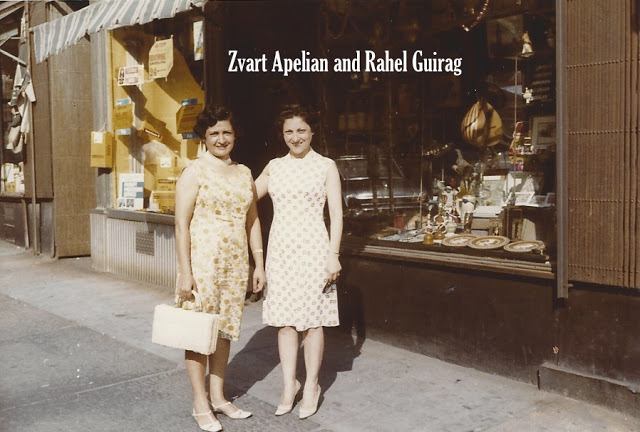
ARMEN GUIRAG My parents had forged a friendship with him during his stay in Hotel Lux, the inn my father ran in Beirut. For many and many years, every Sunday morning my father would play his recording of Armenian Holy Mass, which is regarded one of the best rendition of the Holy Mass by a singer. For all, I recall he was from Latin America. My mother introduced him to her friend Rahel Chilinguirian and they got married and moved to the United States. In late 1960’s my mother visited her relatives in the United States and spent time with Armen and Rahel Guirag. I often wondered what happened to him.
A few years ago I read the following about Armen Guirag in an article the late Tom Vartabedian wrote in Armenian Weekly titled “Three Tenors Strike A Different Tune” (March 24, 2009). 
He (Armen Guirag) was Armenian and ran a record shop in New York City that doubled as his home. He would sell his music in front and sleep out back with a tiny refrigerator, table, and a couple chairs.
Armen Guirag lived from hand to mouth and was in no hurry to move his records. He once told me that everyone he sold was like “selling a child.” But did he ever have a voice, and became the greatest Armenian tenor of his generation back in the 1950’s.
He was recognized as a classic concert and opera singer, produced a number of recordings, and performed near and far, including an appearance at Carnegie Hall that gained rave reviews in the New York papers.
I met him during the tail end of his career when he gradually began to mellow and lived like a recluse. The last concert I attended of his was a pity.
He appeared in Boston, well into his 70s by now, and sang like he never sang before. His voice carried to the very last row of seats as people were on their feet applauding his every note.
And then, the unsuspected occurred. The record he had spinning in the background got stuck while the audience sat mortified. Even before lip-syncing became popular, Armen Guirag appeared well before his time.
He dashed off stage humiliated, never to appear again. Last I heard, he died in that little record store with hardly a whisper from the scores who embraced his music.”


Surely, it is a sad ending for such a talented singer. I hear his singing every now and then and find his voice unusually clear, crisp. It is said that the Armenian community does not appreciate its artists the way it should. I often wonder if our artists are victims of our gene pool. This may be true because we are unusually rich in talents be it singers or players of different classical instruments for the community to support all, the way it should. 

 We surely owe them a debt of gratitude for enriching our lives.

With Mr and Mrs. Armen and Rahel Guirag


ARMIASHKA, Kamar Katiba, and Mikayel Nalbandian

Vaհe H Apelian


I came across the word armiashka for the very first time well over half a century ago, in my youth, reading the famed novel Zartonk (Awakening) by Malkhas. The term must have made such an impression upon me that I never forgot it.  I do not remember how Malkhas spelled the word in Western Armenian. Recently I found out the word pop out on Levon Shirinyan’s Facebook page. It is there that I found out Առմեաշքա (Armiashka) is how the famed Armenian author Gamar Katiba / Kamar Katiba spelled it in the quote, posted by Levon Shirinyan. I posted it in translation above. However, the context of their uses is way different. 

First and foremost, the term armashkia is pivotal in the novel Zartonk, which has its start with two Armenian friends who settled in Tbilisi – I write from memory. One of them became a successful merchant and had a daughter named Sonya. The other carried on a modest life and had a daughter Yevgine, and a son named Vartan. But the two remained bosom friends as did their children. However, in time the children of these two best friends, grew up differently. Vartan became fired by the Armenian revolutionary movement, while Sonya carried the spoiled life of a rich merchant’s daughter having been accepted in high society. At one time, Sonya was accompanied by a Russian military officer to an event, while the Armenians were demonstrating. In the turmoil the dress Soya was wearing was minimally spoiled, to which her Russian officer company hurled at them the term, calling them the armashkia-s. The use of the term suddenly stirred strong emotions in Sonya in defense of her race. 

Following the incident, she wanted to find out about Vartan through his sister Yevgine. By then Vartan had assassinated a Russian officer, had attempted to cross the Arax River with other revolutionaries to assist the oppressed Armenians. But an accidental explosion had left him maimed and disfigured. From there on he adopted his nom-de-quere Levon, and emerged the leading revolutionary with his baptismal name and past completely forgotten. Sonya on the other hand, had a change of heart. She left her luxurious life became a care giver and engrossed herself in the service of her people. Sonya, at the very end of the novel, found out that Levon was her one time bosom friend Vartan and the two got married while the bells of the churches were heard ringing heralding the Independence of Armenia. Regretfully Levon shortly after succumbed to his wounds and passed away. 

No wonder Zartonk became a very popular reading for a few generations growing up in hub of the Armenian communities especially in the Middle East.

I asked Levon Shirinyan about the term armashkia. He said it is a Russian derogatory term hurled against Armenians. Obviously, the Armenians adopted the term as well and hurled it against those they thought did not support the Armenian cause. Kamar Katiba’s post made that pretty obvious.

Kamar Katiba (1830-1892 was the literary moniker of Raphael Patkanian According to Nischay Koushal, “Raphael Patkanian was a cherished Armenian poet whose stirring verses became a voice of patriotism and hope during a time of great turmoil for his people. Writing under the pen name “Kamar Katiba,” he captured the pain of exile, the longing for homeland, and the spirit of national awakening. Deeply affected by the plight of Armenians under Ottoman rule, his poems often resonated with emotional intensity and revolutionary zeal. A professor by profession, Patkanian believed in the transformative power of words and used poetry as both resistance and revival. His work not only inspired generations of Armenians to hold onto their cultural identity but also laid the foundation for modern Armenian national literature.”  

The gravesites of Raphael Patkanian and Mikael Nalbandyan
Courtesy Wikipedia

One of Kamar Katiba’s poems was turned into a patriotic song titled “The clouds went silent”. The song, an intense patriotic song was well-liked and heard at one time. Those interested to hear it may click the link “Three Tenors” below and hear Kevork Gagossian’s rendition of the famed song.

It turned out that Kamar Katiba and Mikayel Nalbandyan, for whom we owe our national anthem, Mer Hairenik, were classmates. Wikipedia claims that they were buried next to each other in Nakhichevan-on Don, also known as New Nachichevan (Nor-Nakhichevan). 

Link: "Three Tenors": Kevork Gagossian’s (Lerets Ambere):https://vhapelian.blogspot.com/2025/09/three-tenors.html


Friday, September 5, 2025

Artsakh and the Right of Return: From Political Theater to Responsible Action

Recently Raffy Ardhaldjian – September four, 2025 - posted an article in Asbarez daily. I copied the title of that article and used it for the header of this blog. 

I have not met Raffy Ardhaldjian in person. I befriended him online. My impetus was his thoughtful and balanced writings. His introductory bio reads as follows: “Raffy Ardhaldjian is a Fletcher School graduate and advisor to tech companies, public institutions, and NGOs. In his spare time, he writes about strategic topics spanning Armenia and the Armenian diaspora.”

At first glance, I found the title of his article bold for the present Dashnaktsutyun press of Diaspora. I have posted the link to the article below for the interested reader.

But, for all I know, the present Yerevan centered ARF establishment does not recognize Asbarez Daily among the family the Dashnaktsutyun press. Although the newspaper was established by ARF over nine decades ago in Fresno. Consequently, I wonder, if Raffy Aldhaldjian’s article will see the light of day in the rest of  Dashnaktsutyun press, which is  a customary practice. 

I found his article balanced and well thought. Although I would not have written it as thoughtfully and considerably as he has. I would have spoken more bluntly against the “political theater” and more for in favor of the “responsible action”. But I am a blogger and I know that the text in my blog would have alienated some and thus would have been less inviting to read the whole text to make my point. But Raffi is Fletcher School graduate. Quoting Wikipedia: “Fletcher's unique interdisciplinary curriculum combines theory and practice. Fletcher trains students to develop a thorough and nuanced grounding in the latest political, economic, business, and legal thinking and apply it professionally to shape international events.”

The only comment I had about his article was his opening sentence that read: “The Republic of Artsakh was proclaimed by the people of Nagorno-Karabakh on September 2, 1991.”. The fact of the matter is that the self-proclaimed republic was called the Republic of Nagorno - Karabakh”. The change to Republic of Artsakh came about much later, as copies from my stamps collection posted above indicate. The 2017 stamp reads Republic of Mountainous Karabakh; the 2018 stamp reads Republic of Artsakh.

The change from Republic of Mountainous Karabakh to Republic of Artsakh was another monumental manifestation of Armenian political mistep of  maximalism, striving to achieve the desired, the longed for and not the possible. 

 This mindset came about in 1997, when Vartan Oskanian, Robert Kocharyan, Serzh Sargsyan, Vazgen Sargsyan and others conspired against their main political ally and leader,  Levon Ter=Petrosyan (LTP) and rejected the LTP policy for major concessions he had outlined in his  “WAR OR PEACE? TIME TO GET SERIOUS” (November 1, 1997), policy paper to resolve the impass.

President LTP had forewarned and had stated that “The refusal of compromise and maximalism (the desire to achieve the maximum and not the possible) is the shortest path to the complete destruction of Karabakh and the deterioration of the situation in Armenia. It is not about giving Karabakh or not. It is about keeping Karabakh Armenian. It has been inhabited by Armenians for 3,000 years and it should be inhabited by Armenians for another 3,000 years."

Alas, historic Artsakh is depopulated of its native Armenian inhabitants. 

Vaհe H Apelian

Link: Raffy Ardhaldjian "Artsakh and the Right of Return: From Political Theater to Responsible Action":  https://asbarez.com/artsakh-and-the-right-of-return-from-political-theater-to-responsible-action/


The cover of the booklet for the first stamps of the Republic of Mountainous Karabakh
(personal collection)


Thursday, September 4, 2025

ՏԱՐԻՔ ԱՌՆԵԼԸ (չըսելու համար ծեռանալը) ըստ George Carlin-ի

 George Carlin on Aging

Թարգմանեց Վահէ Յ։ Աբէլեան

ՏԱՐԻՔ ԱՌՆԵԼԸ (չըսելու համար ծեռանալը) ըստ George Carlin-ի 

Հէ՞չ անդրադարձած էք որ միակ ժամանակը երբ կ՚ուզենք մեծնալ մեր մանկութեան է։

Երբ տասնը տարեկանէն պակաս ես, այնքան կը փափաքիս մեծնալ որ կոտորակով կը մտածես։ «Քանի տարեկան ե՞ս». «Ես չորսն ու կէս տարեկան եմ»։ Դուն երբէք եռեսունվեց-ու-կէս պիտի չըլլաս։ Ներկայիս դուն չորս ու կէս տարեկան ես եւ շուտով հինգ տարեկան պիտի ըլլաս։ 

Պատանեկան տարիքին կը հասնիս, հիմայ ոչ ոք քեզ կրնայ զսպել։

Կը ցատկես յաջորդ թիւին եւ թերեւս ալ քանի մը թիւեր եւս։ «Քանի տարեկան է՞ս»։ «Ես տասնը վեց տարեկան պիտի ըլլամ»։ Կրնայ ըլլլար որ տասներէք տարեկան ես, բայց հէ՛յ, տասնը վեց տարեկան պիտի ըլլաս։

Իսկ յետոյ՝ կեանքիդ մեծագոյն օրը կը հաանի եւ ՔՍԱՆ ԵՒ ՄԷԿ տարեկան կ՚ըլլաս։ Նոյնիսկ թիւը արարողութեան նման է՝ ՔՍԱՆ ԵՒ ՄԷԿ տարեկան եղած ես։ ԱՅՈ!!!

Յետոյ կը դառնաս 30 տարեկան։ Օ ՜հ, ի՞նչ պատահեցաւ։ Թթուած կաթի պէս կը հնչէ։ Եռեսուն տարեկան դարձաւ։ Պէտք է զինքը արտաքսենք։ Զուարճութիւն չկայ այլեւս։ Դուն թթուած խմոր մըն ես։ Ի՞նչ պատահեցաւ։

21տարեկան Կ՚ԸԼԼԱՍ, 30 տարեկան ԿԸ ԴԱՌՆԱՍ եւ յանկարծ 40-ի կը ՄՕՏԵՆԱՍ։ Օհ ՜օ, դնենք արգելակներ, ամէն բան արագօրէն կը սահի եւ կը սպրդի։ Մինչեւ որ անդրադառնաս 50-ին կը ՀԱՍՆԻՍ եւ երազներդ արդէն գացած են։ 

Բայց սպասէ՛ 60 տարիքդ ԿԸ ՆՈՒԱՃԵՍ. չէիր կարծեր որ պիտի կարենայիր այդ տարիքին հասնիլլ։ 

21 տարեկան Կ՚ԸԼԼԱՍ, 30 տարեկան ԿԸ ԴԱՌՆԱՍ, 40-ի կը ՄՕՏԵՆԱՍ, 50-ի ԿԸ ՀԱՍՆԻՍ,  60-ը ԿԸ ՆՈՒԱՃԵՍ։ Բայց այլեւս արագընթաց գահավէժ ընթացքի մէջ ես եւ ԿԸ ԲԱԽԻՍ 70-ին։

Որմէ ետք օրը օրին։ 80 տարիքիդ մէջ ես եւ ամէն օր լման շրջան մըն է՝ ԿԸ ԲԱԽԻՍ կէսօրուայ ճաշիդ, ԿԸ ՄՕՏԵՆԱՍ երեկոյեան ժամը 4:30-ին եւ կը ՀԱՍՆԻՍ գնանալու ժամիդ։ 

Բայց հոն չի վերչանար։ 90-ի մէջ ես եւ կը սկսիս ետ երթալ՝ «Նոր 90 տարիքս լրացուցի։»

Յետոյ տարօրինակ բան մը կը պատահի։ Եթէ 100 տարիքը հասնիս, պզտիկ տղեկ մը կը դառնաս կրկին՝ «Ես 100 եւ կէս տարեկան եմ» !

Ամէնքդ ալ հասնիք ձեր առողջ 100 եւ կէս տարիքին։

 ԻՆՉՊԷ՞Ս  ԵՐԻՏԱՍԱՐԴ ՄՆԱԼ

Ա. Ձերբազատուէ՛ այդ անիմաստ թիւերէն՝ ըլլան անոնք տարիք, կշիռք։ Ձգէ որ բժիշկները մտահոգուին անոնցմով։ Անոր համար կը վճառենք իրենց։

Բ. Ընկերակցիր միայն ուրախ ընկերներու հետ։ Տրտնջացողները քեզ ապառողջ պիտի ընեն։

Գ. Շարունակէ սորվիլ։ Սորվէ համակարքիչը, պարտիզպանութիւն, արուեստ կամ որեւէ այլ բան։ Երբէք մի ձցեր միտքդ անզբաղ։ «Սատանային աշխատանոցը՝ ծոյլ միտքն է»։ իսկ Սատանային անունն ալ Alzheimer’s է։

Դ. Վայելէ պարզ բաները։

Ե. Յաճախ ծիծաղիր, բարձր եւ երկար։ Ծիծաղիր մինչես իսկ շնչահեղծ ըլլալու պէս ըլլաս։

Զ. Արցունքներ կը կատահին։ Դիմացիր, ողբայ եւ շարժման մէջ մտիր։ Միակ անձը որ մեզ հետ պիտի ըլլայ մեր ամբողջ կեանքի տեւողութեան՝ մենք ենք։ Կեանքոտ եղիր այնքան ատեն որ կեանք ունիս։ 

Է. Շրջապատէ՛ դուն քեզ բաներով որոնք կը սիրես, ըլլայ այդ ընտանիք, յիշատակներ, երաժշտութիւն, տունկ, սիրական զբաղումներ։ Քու տունդ քու ապաստանն է։

Ը. Հոգ տար առողջութեանդ։ Եթէ լաւ է, պահէ զայն։ Եթէ կայուն չէ, բարելաւէ։ Իսկ եթէ քու կարողութիւնէդ վեր է օգնութիւն հայցէ։

Թ. Մի մտմտար յանցանքներուդ վրայ։

Ժ. Ամէն պատեհ առիթներու արտայայտէ սէրդ անոնց որոնց կը սիրես։

ՄԻՇՏ ՅԻՇԷ՛

ԿԵԱՆՔԸ ՉԷ ՋԱՓՈՒԱԾ ՄԵՐ ՇՆՉԱՌՈՒԹԻՒՆՆԵՐՈՒՆ ՔԱՆԱԿՈՎԸ՝ ԱՅԼ ԱՅՆ ՊԱՀԵՐՈՎԸ ՈՐ ՄԵՐ ՇՆՉԱՌՈՒԹԻՒՆԸ ԽԼԵՑԻՆ։

                                                    ***

George Carlin on aging: 
Do you realize that the only time in our lives when we like to get old is when we’re kids?
If you’re less than 10 years old, you’re so excited about aging that you think in fractions. “How old are you?” “I’m four and a half!” You’re never thirty-six and a half. You’re four and a half, going on five!
That’s the key. You get into your teens, now they can’t hold you back.
You jump to the next number, or even a few ahead. “How old are you?” “I’m gonna be 16!” You could be 13, but hey, you’re gonna be 16!
And then the greatest day of your life . . . you become 21. Even the words sound like a ceremony . . . YOU BECOME 21. . . YEAS!!!
But then you turn 30. Oooohh, what happened there? Makes you sound like bad milk. He TURNED, we had to throw him out. There’s no fun now, you’re just a sour-dumpling. What’s wrong? What’s changed?
You BECOME 21, you TURN 30, then you’re PUSHING 40. Whoa! Put on the brakes, it’s all slipping away. Before you know it, you REACH 50 . . . and your dreams are gone.
But wait!!! You MAKE it to 60. You didn’t think you would!
So you BECOME 21, TURN 30, PUSH 40, REACH 50 and MAKE it to 60. You’ve built up so much speed that you HIT 70!
After that it’s a day-by-day thing; you HIT Wednesday! You get into your 80s and every day is a complete cycle; you HIT lunch; you TURN 4:30; you REACH bedtime.
And it doesn’t end there. Into the 90s, you start going backward; “I was JUST 92.
Then a strange thing happens. If you make it over 100, you become a little kid again. “I’m 100 and a half!”
May you all make it to a healthy 100 and a half!!

HOW TO STAY YOUNG

  1. Throw out nonessential numbers. This includes age, weight, and height. Let the doctor worry about them. That is why you pay him/her.
  2. Keep only cheerful friends. The grouches pull you down.
  3. Keep learning. Learn more about the computer, crafts, gardening, whatever. Never let the brain idle. ” An idle mind is the devil’s workshop.” And the devil’s name is Alzheimer’s.
  4. Enjoy the simple things.
  5. Laugh often, long and loud. Laugh until you gasp for breath.
  6. The tears happen. Endure, grieve, and move on. The only person who is with us our entire life is ourselves. Be ALIVE while you are alive.
  7. Surround yourself with what you love, whether it’s family, pets, keepsakes, music, plants, hobbies, whatever. Your home is your refuge.
  8. Cherish your health: If it is good, preserve it. If it is unstable, improve it. If it is beyond what you can improve, get help.
  9. Don’t take guilt trips. Take a trip to the mall, to the next county, to a foreign country, but NOT to where the guilt is.
  10. Tell the people you love that you love them, at every opportunity.

AND ALWAYS REMEMBER:

Life is not measured by the number of breaths we take, but by the moments that take our breath away.


Wednesday, September 3, 2025

Martha, the last passenger pigeon

I had read about the extinction of passenger pigeons that ran in billions. I wanted to archive the attached I came across today. Vahe H Apelian


September 1 at 4:45 PM

On this date in history (September 1, 1914), a creature named Martha drew her last breath, and an entire species vanished from the face of the Earth. 🕊️

Martha was the last known passenger pigeon, a bird that once numbered in the billions and darkened the skies of North America for days as their flocks passed overhead.

Their flocks were so immense that early accounts described them as living rivers in the sky, a mile wide and hundreds of miles long, containing billions of birds.

In just a few short decades, their population went from being the most numerous bird on the continent to complete extinction. 

This catastrophic decline was a direct result of relentless overhunting and widespread habitat destruction throughout the 19th century.

They were hunted for cheap meat, for sport, and as agricultural pests. The commercial scale of the hunting was something we can hardly comprehend today.

By the early 1900s, only a small captive flock remained. One by one, they passed away until only Martha was left, living out her final years at the Cincinnati Zoo.

Her death at approximately 1 p.m. on that September day was a quiet, solemn moment that marked a tragic milestone in history. 😢

It served as a powerful and sobering lesson on how quickly a species, no matter how abundant, can be lost forever due to human actions.

Martha's body was carefully preserved, and she remains on display at the Smithsonian Institution as a permanent reminder of her lost species.

Sources: Smithsonian Institution, Cincinnati Zoo Archives, Conservation Histories